A Simple Guide for Homeowners
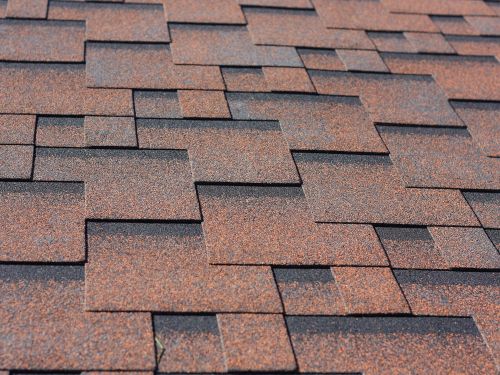
When you’re researching new roofing materials, asphalt shingles almost always top the list—and for good reason. They’re affordable, durable, and available in a wide range of styles to match nearly any home. But not all asphalt shingles are the same. There are three main categories you’ll encounter: 3-tab shingles, architectural shingles, and luxury shingles. This beginner-friendly guide explains how each type differs, their pros and cons, and what you can expect in terms of cost and lifespan.
Contact EvoSiding today to schedule a consultation and compare shingle options with a knowledgeable roofing specialist.
What are Asphalt Shingles Made Of?
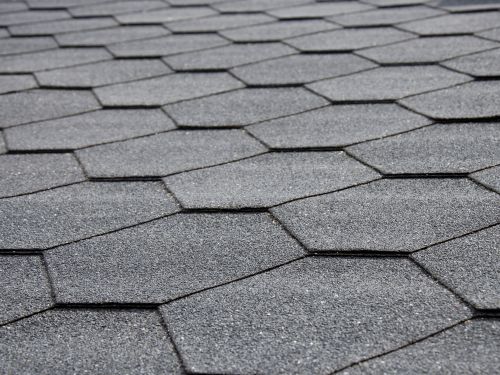
Before diving into the categories, it helps to understand the basic structure of asphalt shingles. Each shingle is made from:
- A fiberglass base mat
- Asphalt coating for waterproofing
- Mineral granules that protect against UV rays and add color
Though the internal structure is similar across all types, the construction and thickness vary—this is what creates the big differences in durability, appearance, and performance.
3-Tab Asphalt Shingles
3-tab shingles are the most traditional and budget-friendly roofing shingles. Named for their uniform “three-tab” appearance, they create a flat, consistent look across the roof.
Pros
- Most affordable option
- Lightweight, making installation quicker
- Simple, classic appearance
- Widely available in many colors
Cons
- Less durable in extreme weather
- More prone to wind lifting compared to thicker shingle types
- Shorter lifespan than architectural or luxury shingles
Typical Lifespan
15–20 years, depending on climate and maintenance.
Architectural Shingles
Architectural shingles—also called dimensional or laminate shingles—are a significant upgrade from 3-tab products. They are thicker, layered shingles designed to mimic the look of natural wood shakes or slate.
Pros
- Greater durability due to multi-layer construction
- Improved wind resistance
- More dimensional and premium appearance
- Larger selection of styles and colors
- Higher impact resistance than basic shingles
Cons
- Higher cost than 3-tab shingles
- Slightly heavier, requiring proper roof support (usually not an issue for modern homes)
Typical Lifespan
25–30 years or more, with many high-quality options lasting even longer.
Luxury Asphalt Shingles
Luxury shingles are the top tier of asphalt roofing. They are designed to replicate high-end materials such as natural slate or cedar shakes but at a fraction of the cost. These shingles are the thickest and heaviest, offering exceptional performance.
Pros
- Superior durability and impact resistance
- Most realistic appearance compared to wood or slate
- Best performance in storms and harsh climates
- Longest lifespan among asphalt options
Cons
- Highest cost of all asphalt shingle types
- Weight may require structural evaluation for older homes
Typical Lifespan
30–50 years, depending on quality and installation.
Which Asphalt Shingle is Best for Your Home?
Choosing the right shingle depends on your priorities:
- Budget-conscious homeowners often choose 3-tab shingles.
- Those wanting better durability and visual appeal typically opt for architectural shingles.
- Homeowners wanting a premium, long-lasting roof without the cost of real slate or cedar often go with luxury shingles.
If you’re unsure which option fits your home and budget, the roofing professionals at EvoSiding can guide you through the selection process and provide expert installation.
Choosing the Right Asphalt Shingle for Long-Term Value
Asphalt shingles come in three main types—3-tab, architectural, and luxury—each offering different advantages in cost, appearance, and durability. Understanding the differences helps you make a confident decision about your roofing investment. Whether you want a budget-friendly solution or a high-performance, long-lasting system, there’s an asphalt shingle option that matches your goals.
For the best results, work with an experienced roofer like EvoSiding, who can ensure proper installation and long-term performance.